
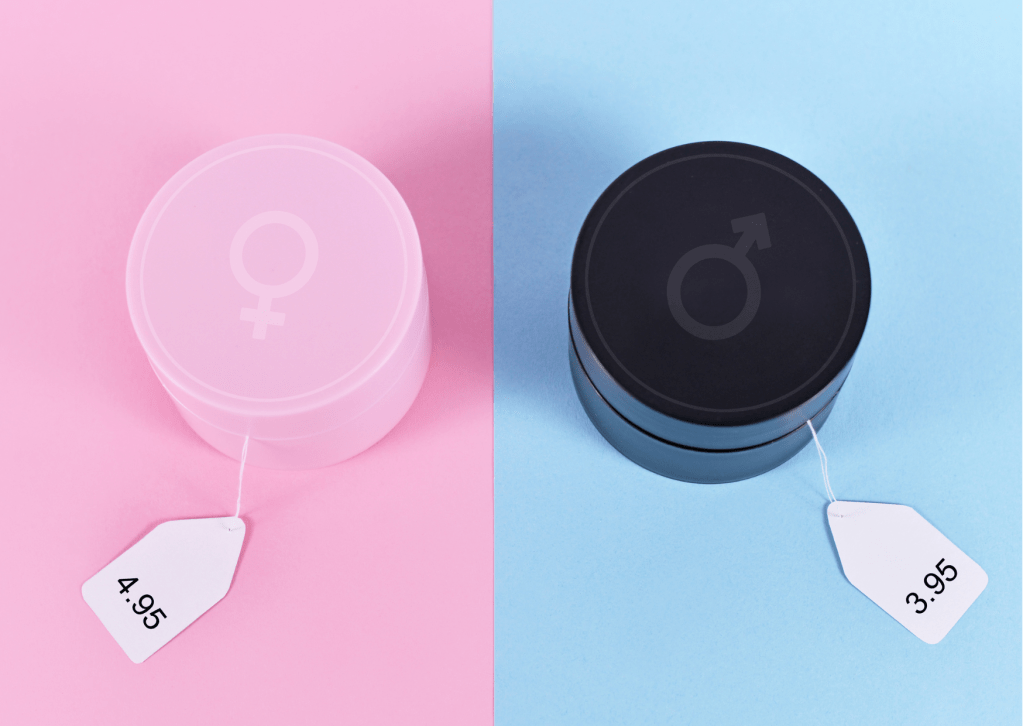
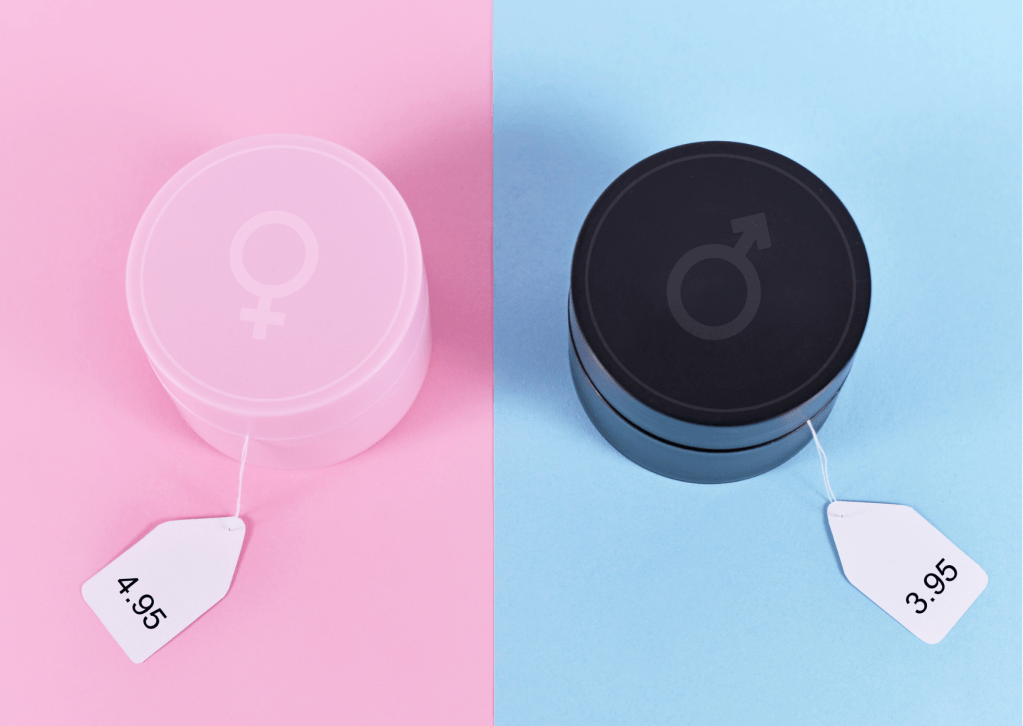
Have you ever noticed that products marketed towards women are often priced higher than similar products sold towards men? The phenomenon is known as the “Pink Tax”, and your wallet has probably suffered from it without you knowing about it. And don’t underestimate it, because overall, in a woman’s lifetime, it can amount to tens of thousands of dollars ( yeah, your read this right).
So, What is the “Pink Tax”?
First of all, it’s not a tax. The Pink Tax refers to the practice of charging women more for products and services nearly identical to those marketed towards men. Often these are personal hygiene products such as shampoo, deodorant or razors. A study by the Department of Consumer Affairs of New York City showed that women’s products are priced on average 7% higher than men’s, even when the only difference is the colour or packaging. It doesn’t stop there since:
- girls’ clothes are 4% more expensive
- girls’ toys are 7% more expensive
- women’s clothes 8% more expensive
- but the largest difference in cost appears in personal care products: 13% more expensive for women
The phenomenon is not just limited to the US as it is common in many other countries such as the UK, France, Italy, Argentina, Australia… In the UK for example, toy, cosmetics and clothes marketed towards women and girls are on average 37% more expensive. The disparity in price also affects school uniforms as girls pay almost 12% more.
The Question is: Why?
Part of the reason is that women represent a much more lucrative market than men for certain products such as personal care items. Since women spend more money and more time on these kinds of products, companies also develop different marketing tactics. And like all good marketing, it’s embedded in psychology: if it says “women”, statistically women are more inclined to buy the product even though, at the end, it’s exactly the same. To attract even more potential female customer, companies make the products more visibly for women with “gendered packaging”: the use of colors such as pink or purple, the presence of flowers or women on the package or the choice of a more elegant font. All these small details actually play a great role in the marketing strategies and tactics companies use to market their product.
What is the real impact?
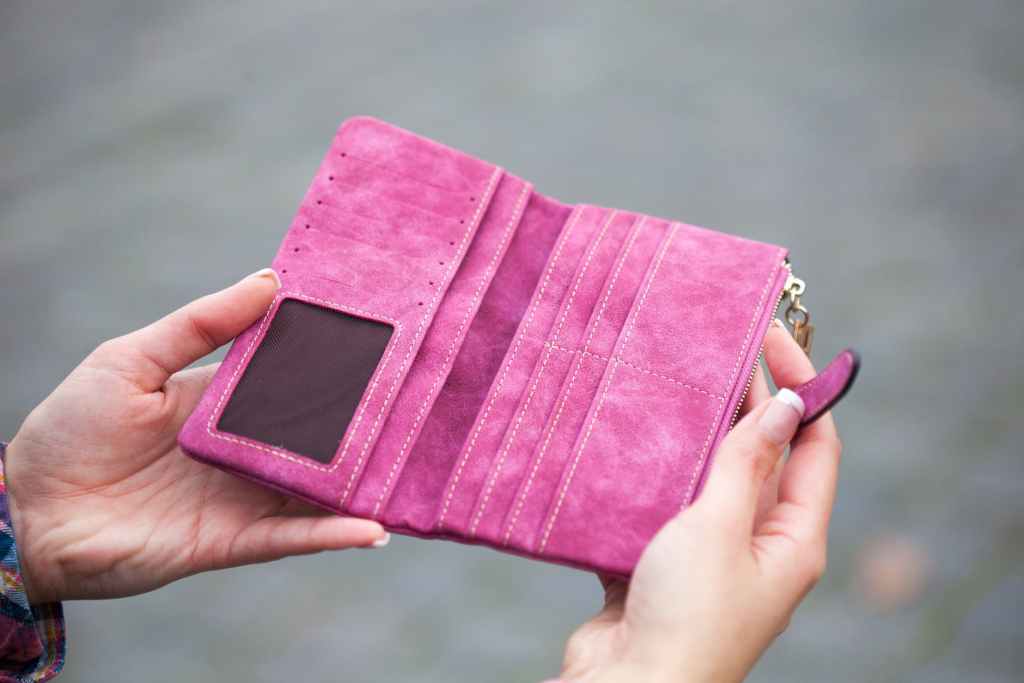
So, what does it mean for women’s wallets? Few extra dollars here and there doesn’t seem much but overtime, the extra cost can add can add up can create a significant financial burden. Based on different estimates, the Pink tax cost for women is an average of $1,300 per year.
Certain countries (and states in the US) have passed law regulating the Pink tax, however, it’s always good to look twice at the price tag before you buy. I’ve always bought razors from the mens’ section. Not because I specifically looked at price, but mainly because, as a young 16 years, I thought than since men use this products more, they would be of better quality.
Who would’ve thought it would actually save me money?

 The Modern Woman