
If you are on social media, especially Tiktok, you must have come across or, at least, heard of the fast-growing trend of “tradwives”. Short for “traditional wives”, these women are somehow recreating a romanticised version of the 1950s stereotypical household (including the dresses) of women staying home to cook, clean, and raise the children while men go to work and provide for their families.
These influencers define it as women who choose not to enter the workforce to stay home, adopt traditional gender roles, and are submissive to their husbands. While I have come across quite condescending and offensive remarks aimed at these women, I personally believe there is nothing wrong with them choosing a different path. After all, we are all different, so expecting a one-size-fits-all outcome is absurd. I do, however, disagree with their presentation of their lifestyle as “traditional”: historically, it’s actually the opposite, as women staying at home and not working is a very “modern” development that became dominant after WWII.
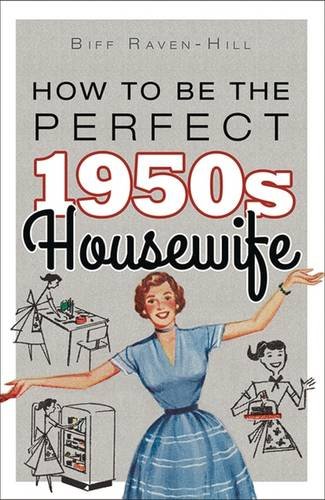
A not so traditional #tradwife
Often, one of the arguments offered by “tradwife” afficionados is, “Well, it’s always been this way”. It’s actually the opposite. Up until the Industrial Revolution, women actively worked except, of course, for the wealthy and privileged: royalty, nobility, and later on, bourgeois women. Before industrialization, families were actually functioning as economies, with each member, regardless of age and gender, participating to the best of their abilities, whether working in the fields, practicing husbandry, or a craft. The change with industrialization was that the work now took in place outside of the home, in factories and then offices, with men and women having to travel to earn a living, leaving their children and elder family members to be taken care of by others (leading to the birth of retirement homes and nurseries).
For women, work taking place outside of the home was a radically new shift in history. In Medieval times for example, a craftsman and his family would live and work in the same place, with the house having a public (usually ground floor) and private (first floor) space: a shop managed by the wife and daughter facing the street, at the back the workshop where the father passed down the craft to his sons (and sometimes his daughters), and upstairs the living quarters. And to the surprise of most today, yes, women could inherit and manage the workshop on their own.
Staying home and not working was a privilege.
Women had to work. In a society where life was difficult, food was often scarce, and agriculture was difficult, a woman sitting home and not working meant less food on the table. It wasn’t a choice, but a necessity. Only women of noble birth, and later, wealthy bourgeois women, were spared the hardships of working life. They also got, with time, the privilege of an education that poor people couldn’t afford: if the hands are holding pen and paper, they are not holding coal and therefore not earning. Not only privileged women never had to work outside of the home but also inside: hired staff (and way before that, during feudal times, serfs) took care of the cleaning, cooking, ironing. A great novel I recommend that illustrates this (without being a boring history lesson) is North and South by Elizabeth Gaskell (there’s also a great BBC series with Richard Armitage) or watch Downton Abbey: the massive change in women’s lives that took place in the short period of time spanning from the beginning of the Nineteenth Century to WWII is an absolutely fascinating period.
In my own family, for example, one grandmother was privileged enough to get a good education (including university) but never had to work, dedicating herself to children; the other had to drop out of school during the war to earn money and kept working till her late 60s. So, how traditional is the tradwife? Not so traditional, actually…
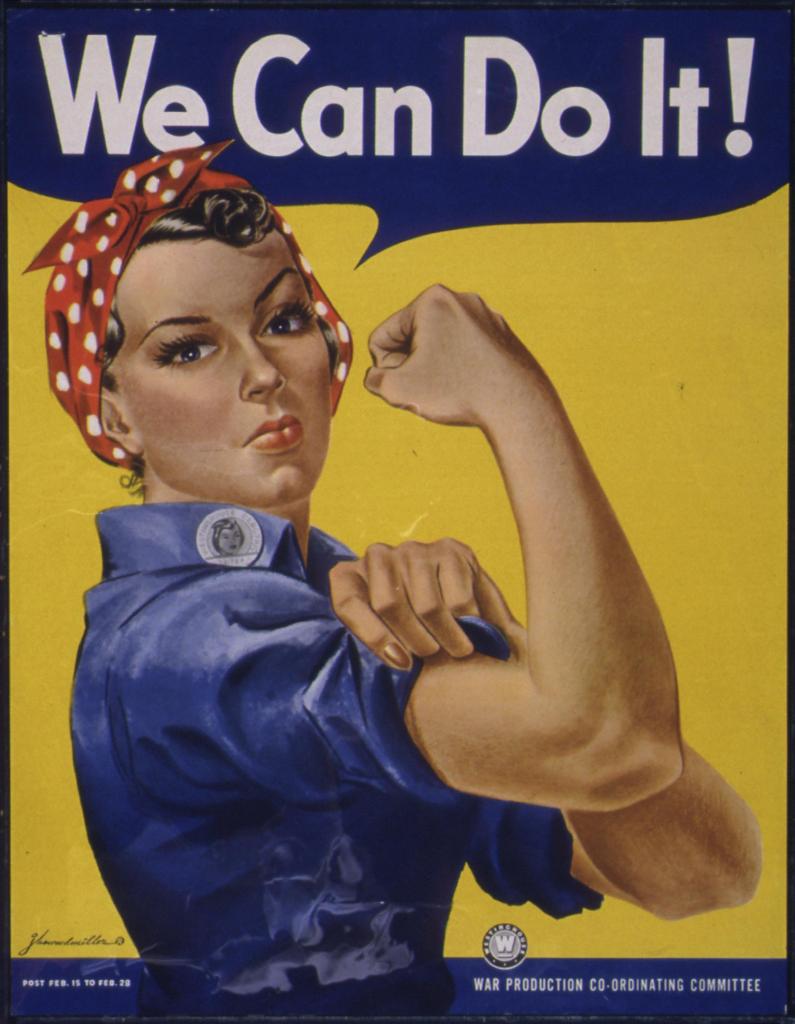
Post-war economic boom and the housewife.
The “tradwife” movement is thus much more inspired by the modern division of labour that appeared after WWII. When the men had to fight during the war, women stepped up to replace them in the economy and do their part in the war effort. But eventually the men came back, and the post-war period also coincided with a period of prosperity in the US. A single income was enough to sustain a suburban family: a wife, two kids, and a dog; a nice house in the suburbs with a white picket fence; a dream, it appears. Well, not really. While the tradwives influencers are presenting this period of time as idyllic for women flourishing at home, fulfilled and content with the role of homemaker, it’s quite far from the truth.
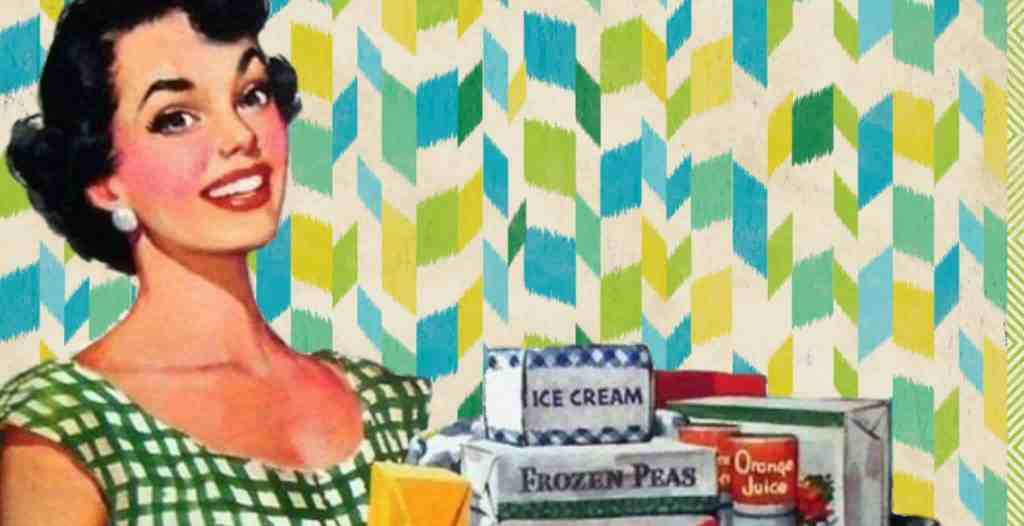
In the 1963 best-seller The Feminine Mystique by Betty Friedan you’ll find this now famous quote: “It was a strange stirring, a sense of dissatisfaction, a yearning that women suffered in the middle of the twentieth century in the United States. Each suburban wife struggled with it alone. As she made the beds, shopped for groceries, matched slipcover material, ate peanut butter sandwiches with her children, chauffeured Cub Scouts and Brownies, lay beside her husband at night–she was afraid to ask even of herself the silent question– ‘Is this all?’”.
The years in which there was a push for women to limit themselves to housewifery were also the years of increased dissatisfaction among women, with widespread depression being noticed by psychologists. Women’s magazines –written by men-and the advertisers encouraged women to stay home and treat it as a career,” for which they needed tools to be efficient. A vacuum cleaner? A new fridge? The latest toaster oven? If women are busy working, when will they have time to use all of these things? But as the 1960s came and women’s disenchantment was met with a changing economy, women massively entered the workforce, helped with an advancement that would change the world profoundly: contraception.

What about women today?
Are women happier today than in the 50s and 60s? Unfortunately, no. Women’s happiness seems to have decreased. If that is the case, then what causes it? They were unhappy at home and unhappy working, so where’s the difference? Perhaps the issue isn’t work itself but rather work outside (or far away) from home. And with Covid, we’ve seen that women tended to ones happier with remote work.
The point is, the “tradwife” trend has presented itself as a traditional way of life for women, showing happy videos of women in pretty retro flowery dresses, smiling from ear to ear, and preaching about the benefits of a lifestyle that, in the past, led women to prozac and valium like never before.
Again, these are personal choices, and all should do what makes them comfortable, but, please, at least for the sake of the young impressionable women out there, let’s keep it real.
If you want to know more about this I recommend the excellent piece by Mary Harrington in UnHerd https://unherd.com/2020/01/why-tradwife-just-isnt-trad-enough/ .

 The Modern Woman