
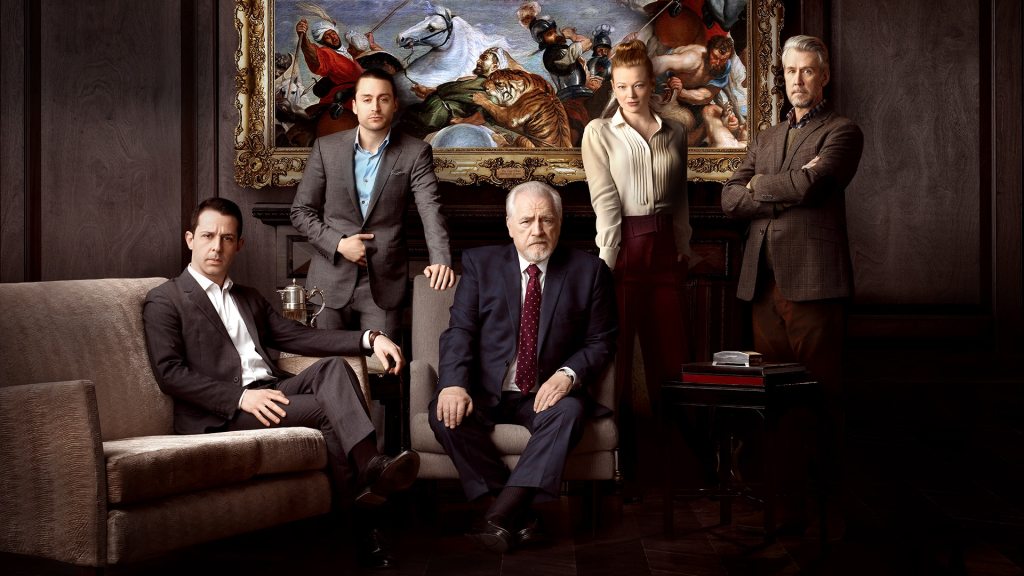
If you are on social media, you’ve probably come across posts about ‘old money aesthetics’ and quiet luxury. The hashtags around this trend have gathered millions of views on platforms such as Instagram, YouTube, and Pinterest. Polo shirts (Ralph Lauren, of course!), crisp linen, designer bags and shoes (Hermes, s’il-vous-plait), cashmere scarfs, and trench coats… And those fascinated by this trend seem to find their inspiration in shows like Billions, Revenge, and Gossip Girl, but above all, in the acclaimed HBO series Succession.
So, what is this about? Just a new short-lived trend for Gen Z? Or is there something more to it?
The fascination with ‘old money’ or simply wealthy families is not recent. There has always been curiosity regarding their way of life, with Swiss boarding schools, homes the size of Versailles Palace, and luxury handbags the price of a studio apartment. Just look at TV shows such as Dynasty.
But what is ‘old money’ exactly?
If you have a look at different dictionaries, you’ll get “money and wealth passed down from your ancestors” or “people whose families have been wealthy for many generations. In short, wealth that is inherited, not earned. As such, unless you were born with the right surname and a loaded bank account filled with money you worked for, aspiring to an ‘old money lifestyle” is hopeless. However, if the lifestyle is unattainable, the ‘aesthetic’ fashion trend is not.
Carolyn Bessette-Kennedy, 1996, New York. Married to JFK Jr, they became the fashion couple of the 90s.
Jackie Kennedy and her children, John Jr. and Caroline on the day before her wedding to Aristotle Onassis, 1968, Skorpios Island, Greece.
‘Old Money’ aesthetic is actually ‘quiet luxury’.
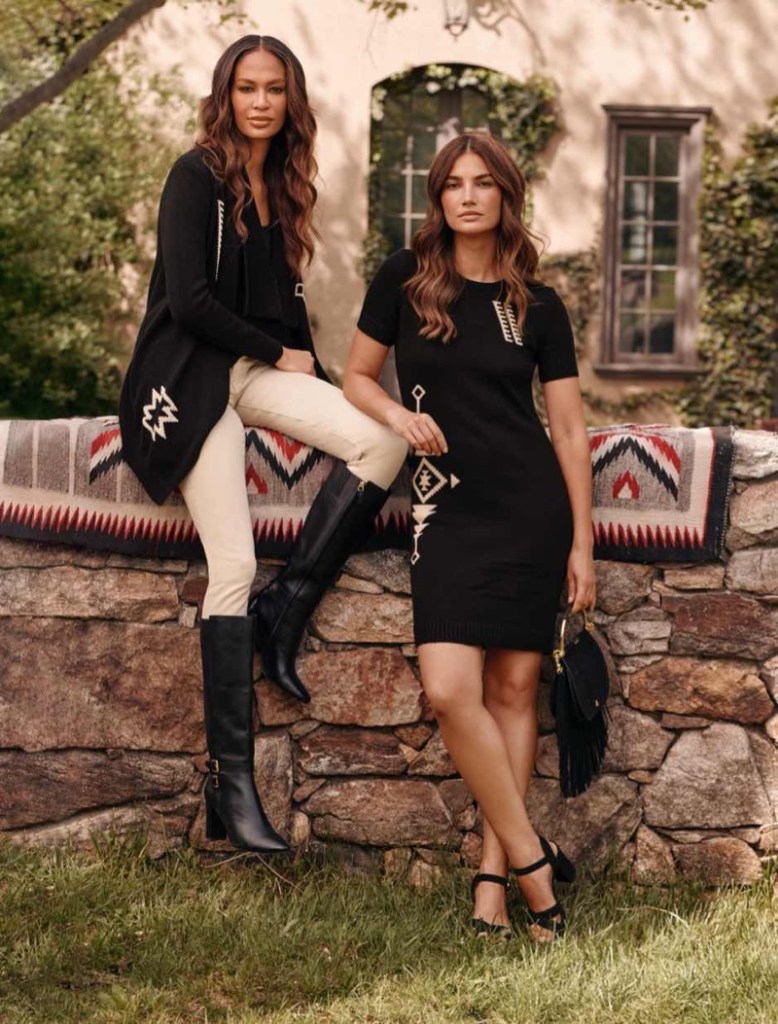
So, what does it look like to dress ‘old money’? First of all, you won’t see many logos. And that’s the big difference between nouveau riche and old money: caring about the fact you have money and proving it to everyone vs. having so much f*ck you money that you couldn’t careless about what people think. As they say, “money speaks, wealth whispers”. And that’s quiet luxury: a timeless, elegant, put-together, and sober style that values quality and craftsmanship above all. Instead of a Gucci or Louis Vuitton bag, it’s Hermes, Celine, Bottega Veneta, or brands that most people have not heard of, such as Marc Cross, Moynat, or Delvaux (the historical supplier of the Belgian Royal Family).
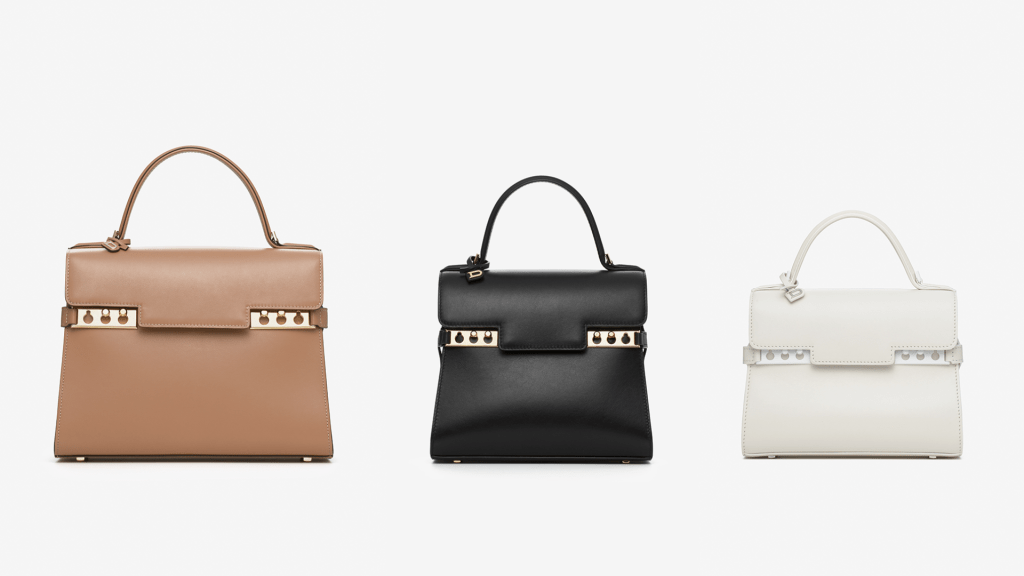
That, however, comes at a price (15,000 dollars for a coat, anyone?), but for the Gen Z or Millennial buyer, it’s not only about having the right brands but also looking a certain way: I have my sh*t together, I’m confident without being arrogant, and I have something even money can’t buy—taste.
No wonder companies like Depop, Vestiaire Collective, and other luxury second-hand online and physical thrift stores have seen massive increases in their sales in the past two years. People thus tend to spend less (in terms of quantity) but more on quality. Rather than buying ten coats from fast fashion high-street stores to wear during the winter, they buy one—more expensive but of much better quality that will hang in the closet for years to come.
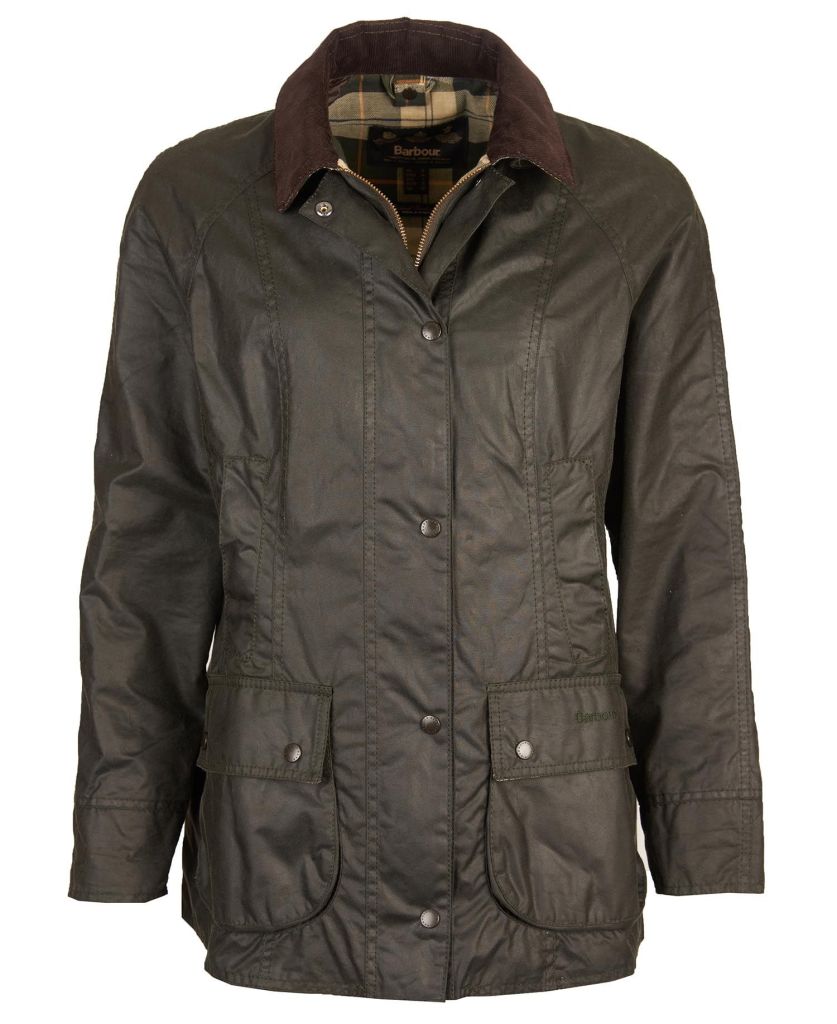
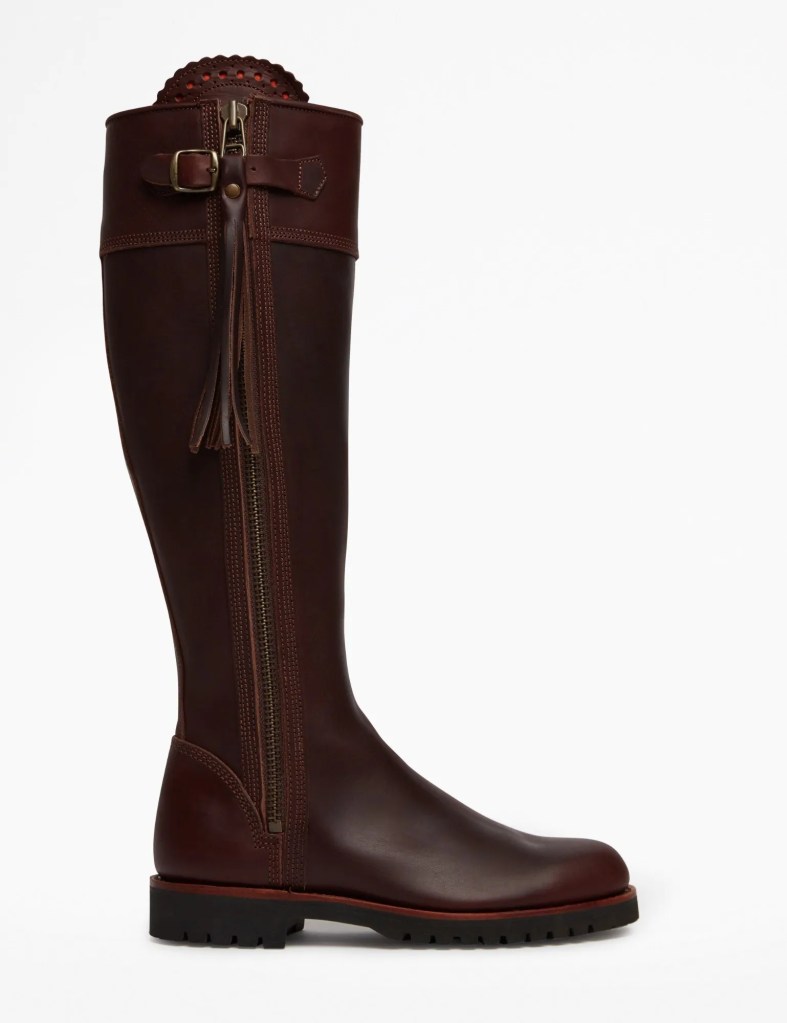
The Princess of Wales visiting a school in London, 2017. Barbour has been a staple for the Royal Family and the British upper class.
Shopping consciously: quality vs. quantity
The positive aspect of this trend is the trend towards slow fashion: more conscious shopping habits and buying high-quality pieces that are meant to last. Shopping is an investment, as the piece will last and never go out of fashion since I’m investing in timeless garments. And that is because I am privileging quality over the trend of buying because it’s the thing of the moment that will be forgotten before you get to the end of this post.
Brands that come out as winners of the ‘old money’ trend are: the well known Ralph Lauren, Burberry—except for ‘ludicrously capacious’ handbags (you know if you know), Hermès, Chanel, Yves St Laurent, Dior, and Bottega Veneta, to name a few. Then there are the ‘known by the few’ quiet luxury brands such as Brunello Cucinelli, Ermenegildo Zegna, Brioni, or Loro Piana. And, yes, while these brands offer incredibily expensive price tags, you do not have to take a loan or spend a yearly income on a Loro Piana coat.
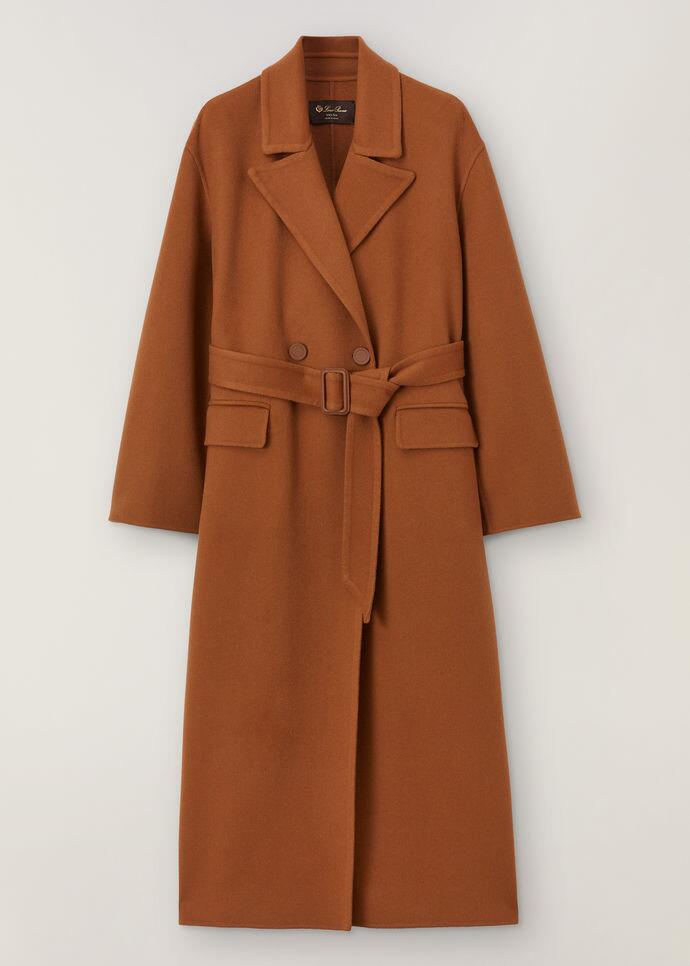
There are some more ‘affordable’ brands that match both the style and material quality of the trend. COS, Max Mara, &Other Stories, Uniqlo, Massimo Dutti, GAP, and even Mango are good alternatives. But at the end of the day, it’s not about the brand on the price tag. It’s about whether or not you are a piece that you love, that embellishes you, and that you will keep for years to come. If the quality is there, then go for it. And that’s old money’s quiet luxury.

 The Modern Woman